
A pressure washer burner is one of the most important parts of a hot water pressure washing system. While the pump creates flow and pressure, the burner and heating system raise water temperature so the equipment can break down grease, oil, grime, and heavy buildup more effectively. For contractors and maintenance teams, understanding this system can make it easier to choose parts, spot issues, and reduce downtime.
What a Pressure Washer Burner Does
In a hot water pressure washer, water moves through a heating coil while the burner system generates heat. As the water passes through the coil, it warms before leaving the spray wand. That added heat helps loosen stubborn soils that cold water alone may struggle to remove.
This is useful in industrial cleaning, equipment washing, fleet maintenance, masonry cleaning, and other jobs involving grease, fuel residue, dirt, or chemical buildup. Hot water does not replace proper pressure, flow, or technique, but it can make the process faster and more effective.
Key Parts of a Burner and Heating System
At Unique Industries, our Kem-O-Kleen pressure washer burner and heating systems website category includes burner motors, transformers, electrode kits, fuel pumps, fuel filters, aquastats, valve coils, valve stems, flow switches, mounting gaskets, and burner assemblies.
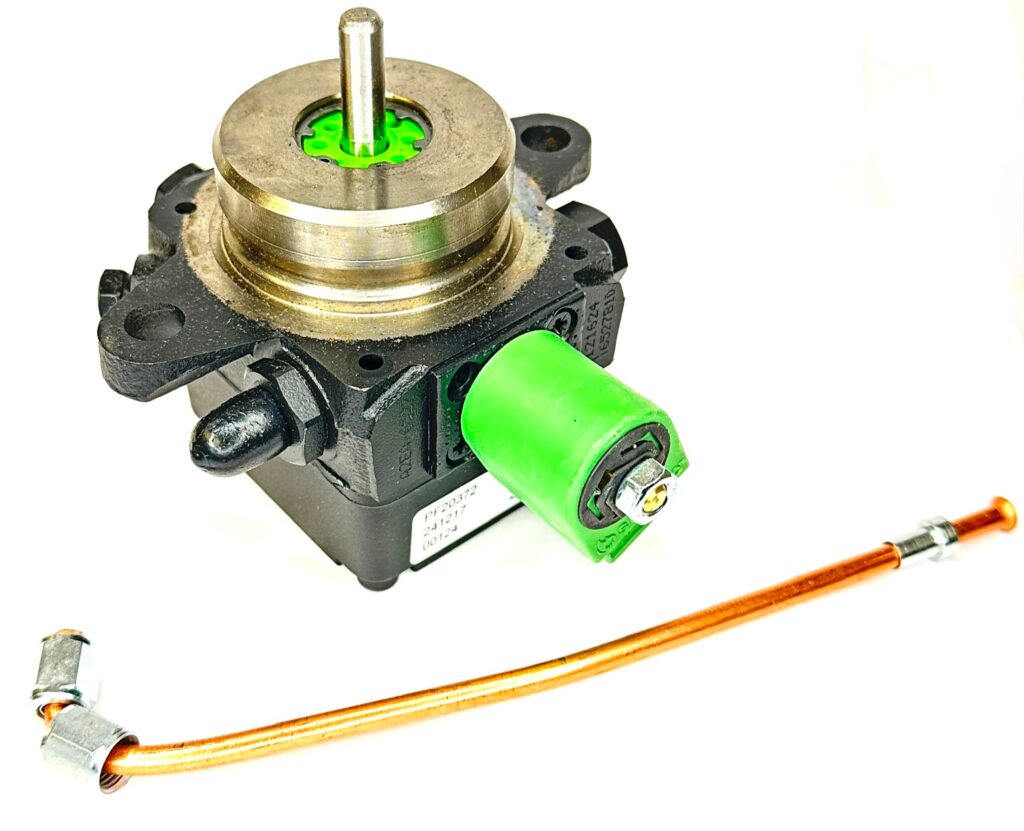
Common components include:
- Burner motor: Helps power the burner assembly so fuel and air can move through the system.
- Fuel pump and filter: Help deliver cleaner fuel to the burner.
- Electrodes and transformer: Help create the ignition needed for the burner to fire.
- Aquastat: Helps monitor or regulate water temperature.
- Flow switch: Helps ensure the system responds when water is moving through the unit.
When one part wears down, the burner may fail to ignite, heat unevenly, shut off unexpectedly, or produce lower water temperatures.
Why Heat Matters in Pressure Washing
Heat changes how cleaning works because warm or hot water can help soften oily residue, loosen grime, and support detergent performance. For frequent cleaning jobs, this can make the process more efficient by reducing the need for repeated passes over the same surface.
A properly working pressure washer burner can be especially helpful for equipment washing, shop floors, commercial surfaces, industrial buildup, and cold-weather cleaning. The right temperature still depends on the surface, detergent, and equipment setup, so operators should always follow equipment guidelines and avoid using excessive heat on materials that could be damaged.
Maintenance Considerations
These systems work under heat, vibration, fuel exposure, and regular jobsite wear. That makes routine inspection important. Maintenance can include checking fuel filters, inspecting electrodes, confirming electrical connections, watching for fuel leaks, and making sure the burner ignites smoothly.
Signs that a pressure washer burner system may need attention include:
- Water is not heating properly
- Burner starts and stops repeatedly
- Smoke, unusual odor, or poor combustion
- Delayed ignition
- Inconsistent temperature
- Soot buildup around the heating system
Ignoring these issues can lead to poor cleaning performance, extra fuel use, downtime, or damage to other components.
Choosing the Right Replacement Parts
Not every burner part fits every pressure washer. Voltage, burner style, fuel system, heating coil design, and model compatibility all matter. Before ordering parts, identify the equipment model, part number, and current setup.
We offer pressure washer burner and heating system parts for hot water cleaning equipment, including Beckett-related components, MK3 and MK7 parts, aquastats, fuel filter assemblies, and flow switches. Customers who cannot find a part can also call or email for help, which is useful when matching parts for older equipment.
Keeping Hot Water Equipment Reliable
A pressure washer burner supports the heat that makes hot water cleaning so valuable. When the burner system is clean and matched with the right parts, the unit can perform more consistently. For industrial cleaners and facility teams, the heating system plays a direct role in productivity, cleaning quality, and less downtime.