Category: blog

  • Transforming Concrete Surface Prep: The Impact of Innovative Concrete Acid Etching Products

    Transforming Concrete Surface Prep: The Impact of Innovative Concrete Acid Etching Products

    Concrete surface preparation is a critical step in creating durable, professional finishes. Whether you’re applying coatings, sealants, or decorative overlays, the success of these treatments depends on proper adhesion to the concrete surface. This is where concrete acid etching products come in.

    For decades, professionals have relied on acid etching to open the pores of concrete, remove laitance, and create a surface profile that ensures coatings bond effectively. However, traditional methods were messy, labor-intensive, and hazardous. Unique Industries has changed that narrative with its Kem-O-Kleen machines, bringing efficiency, safety, and precision to an industry that once relied on outdated practices.


    What Are Concrete Acid Etching Products?

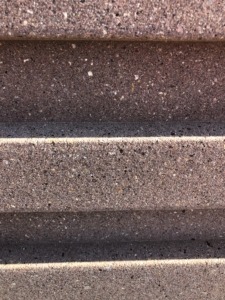
    Concrete acid etching products are solutions—typically hydrochloric (muriatic) or phosphoric acid-based—that chemically react with the surface of concrete. This reaction dissolves surface contaminants, weakens the smooth cement layer, and exposes the aggregate beneath. The result is a textured surface ready to receive coatings like epoxy, polyurethane, or decorative stains.

    Traditionally, acid etching involved applying liquid acid by hand with brushes or sprayers, scrubbing vigorously, and then rinsing and neutralizing the surface. While effective, this manual method often led to inconsistent results, excessive water use, and potential exposure to harmful fumes and splashes.


    Why Acid Etching Is Essential for Concrete Preparation

    Even the best coatings fail if they are applied to a poorly prepared surface. Concrete naturally forms a thin, smooth layer called “laitance” as it cures. This layer must be removed for any surface treatment to bond properly. Concrete acid etching products:

    • Improve adhesion: By creating a micro-roughened texture, coatings penetrate the surface and adhere securely.
    • Remove contaminants: Acid dissolves surface debris, oils, and minerals that could interfere with coatings.
    • Enhance durability: Proper etching reduces the likelihood of peeling, blistering, or premature failure.
    concrete acid etching products

    For industrial floors, decorative patios, or commercial spaces, acid etching is often the first—and most important—step in the finishing process.


    How Unique Industries Revolutionized Concrete Acid Etching

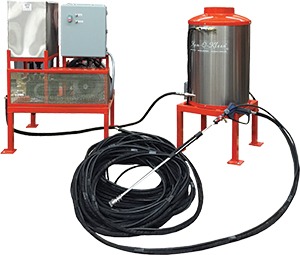
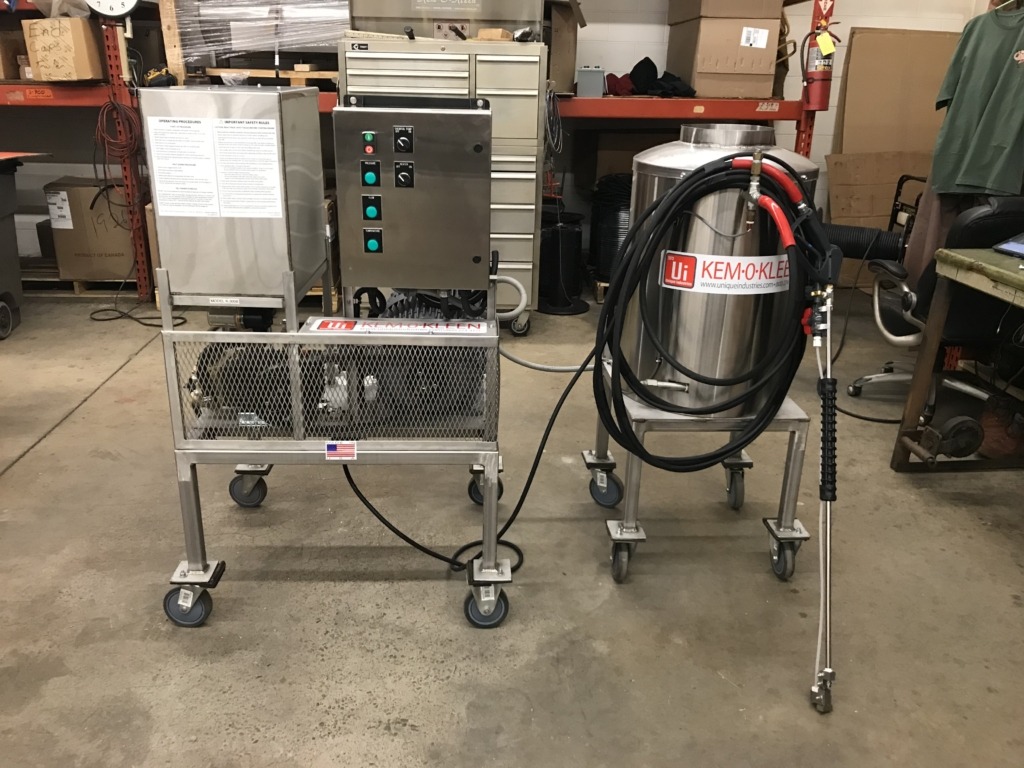
    Unique Industries has been a pioneer in surface preparation solutions since 1973. Our flagship line of Kem-O-Kleen machines was specifically designed to modernize the acid etching process. By combining water and acid in a controlled system, Kem-O-Kleen equipment delivers the perfect mixture directly to the surface, ensuring safety, efficiency, and consistent results.

    Traditional Acid Etching vs. Kem-O-Kleen Technology

    • Manual Method: Pour acid manually, scrub, rinse heavily, and neutralize. Prone to uneven coverage, safety risks, and high water usage.
    • Kem-O-Kleen Method: Automated, controlled flow of water and acid applied via machine for uniform coverage and minimal mess. Integrated rinse cycle ensures proper neutralization and reduced environmental impact.
    concrete acid etching products

    This innovation not only simplified the process but also addressed key concerns in construction and decorative concrete industries: worker safety, environmental stewardship, and jobsite efficiency.


    Benefits of Kem-O-Kleen Concrete Acid Etching Products

    Unique Industries’ Kem-O-Kleen machines and concrete acid etching products have set new industry standards. Here’s why professionals choose Kem-O-Kleen:

    1. Safety and Reduced Exposure

    Traditional acid handling posed risks of burns, fumes, and spills. Kem-O-Kleen systems control acid delivery, significantly reducing exposure and making the process safer for operators.

    2. Consistent Results

    By mixing acid and water at a precise ratio, Kem-O-Kleen ensures even surface profiling every time—essential for high-end decorative work or industrial coatings.

    3. Time and Labor Savings

    Manual etching is labor-intensive. Kem-O-Kleen machines cut preparation time dramatically, freeing crews to complete projects faster without sacrificing quality.

    4. Environmental Responsibility

    Controlled acid flow means less water waste and minimal runoff. This eco-conscious approach supports compliance with environmental regulations and reduces site cleanup costs.

    5. Versatility

    Kem-O-Kleen equipment works for a range of applications: residential garages, commercial floors, industrial facilities, and decorative concrete designs.

    6. Proven Industry Legacy

    With over five decades of innovation, Unique Industries continues to refine its products, making it the trusted name in concrete acid etching products worldwide.


    Applications of Concrete Acid Etching Products

    The demand for concrete acid etching products spans multiple industries:

    • Decorative concrete: Prepping surfaces for stains, dyes, or polished finishes.
    • Industrial flooring: Creating profiles for epoxy or polyurethane coatings in warehouses and factories.
    • Commercial spaces: Ensuring long-lasting results in retail stores, restaurants, and offices.
    • Residential projects: Prepping garage floors, patios, and driveways for sealants or decorative finishes.

    Unique Industries’ Kem-O-Kleen systems are adaptable, making them a go-to solution for contractors and surface prep specialists nationwide.


    Why Choose Unique Industries for Concrete Acid Etching Products?

    At Unique Industries, we believe surface preparation shouldn’t be complicated—or dangerous. Our concrete acid etching products deliver consistent, professional results without the headaches of traditional methods. When paired with Kem-O-Kleen equipment, contractors gain:

    • A safer jobsite
    • Superior surface profiles
    • Faster project turnaround
    • Reduced environmental impact

    Our decades of experience and commitment to innovation have made us the trusted partner for concrete professionals seeking efficiency and quality in every project.


    Achieve Better Results with Unique Industries

    Concrete acid etching products are essential for achieving strong, lasting finishes on concrete surfaces. While traditional methods get the job done, innovations like Unique Industries’ Kem-O-Kleen systems have transformed the industry—making acid etching safer, faster, and more precise than ever before.

    Whether you’re preparing industrial floors, decorative patios, or commercial spaces, choosing the right acid etching system is key. With Unique Industries and Kem-O-Kleen, you can expect consistent results, enhanced safety, and a proven track record of performance that spans over 50 years.


    Next Steps

    Ready to upgrade your surface preparation process? Learn more about our Kem-O-Kleen concrete acid etching products at Unique Industries and discover how our machines can help you achieve flawless results—project after project.
  • Industrial Pressure Washers

    Industrial Pressure Washers

    Industrial Pressure Washers

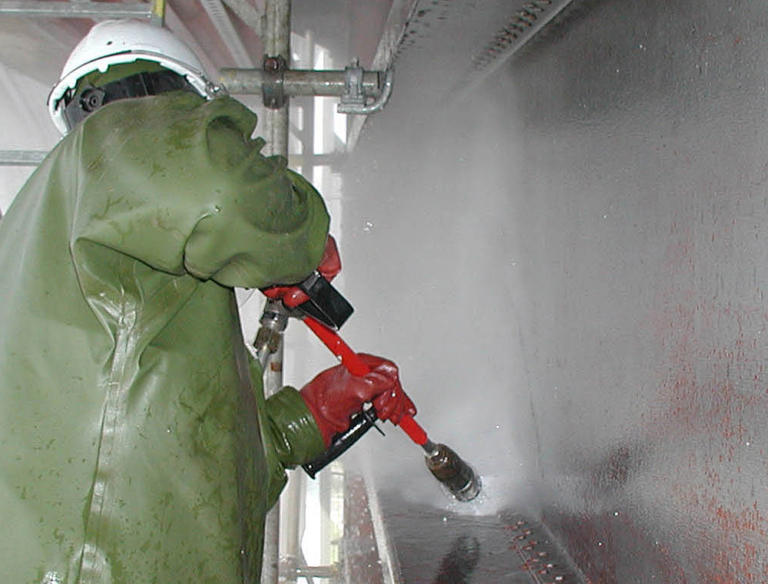
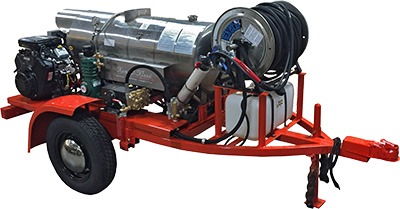
    Industrial pressure washers are ideal for removing dirt, stains, paint  and other debris from buildings, brick, concrete and asphalt. In many cases, they are also used for acid etching, GFRC etching, finishing architectural precast products, chemical masonry cleaning and disinfection when the introduction of chemicals is required. These machines are used in many industries, such as manufacturing, food processing, and construction. How do industrial pressure washers work? What are the advantages of purchasing? We explore these questions in this article.

    Almost everyone is familiar with pressure washers, if not from other sources, then from self-service car washes. But these devices are not the same as the industrial units we are talking about. Key differences include: the ability to introduce chemicals, a constant flow of heat and higher pressure capabilities.

    K3003 mobile masonry cleaning unit

    Another difference is that we build our industrial pressure washers or chemical etching systems with premium materials and commercial grade components. Stainless steel axle and frame, two-wire braid/wrapped pressure hose, stainless steel wand pipe, commercial rated engine and pump, and stainless steel recirculation tank are among the premium materials used to build our industrial pressure washers.

    We only use 304, corrosion free alloy, instead of the cheaper, corrosion prone variety used by many industrial pressure washer manufacturers. Due to our rigorous engineering and testing each part of the machine provides: ease of use, performance, durability and safety in a rugged environment.

    Applications of  Industrial Pressure Washer

    Industrial-grade power washers are utilized in many industries because of their ability to quickly clean even the most special surfaces while providing a superior finish than other washing units. One of the most common industries to use industrial power washers is the commercial construction industry, as there are many areas of application like architectural precast, masonry cleaning, acid etching, GFRC etching and more.

    K-3008-01

    Other common applications include:

    • Airports: To improve the safety of arriving and departing aircraft, large high-pressure cleaners are used to remove rubber and paint deposits from runways. In addition to cleaning aircrafts and concrete in hangers.
    • Municipalties: Graffiti removal is performed by municipalities using high-pressure cleaners with chemical agents like our MK Series Mobile Cleaning and Chemical Etching Systems
    • Ports and ships: All water-affected areas of harbors are infested with algae, including ships and walkways and engine rooms which require constant cleaning for safety and maintenance reasons.
    • Buildings: commercial building owners use pressure washers to keep their buildings clean, to etch concrete and GFRC applications.
    • Masonry cleaning: Masonry restoration and maintenance uses heated high-pressure water and chemical washing techniques to maintain the exterior surfaces of buildings.

    There are numerous benefits offered by our high-pressure washing units, including: 

    • Portable or stationary, depending on the needs of the user.
    • Requires less manpower
    • Provides a superior finish
    • Can be used in small spaces while minimizing splash or over spray
    • Allows for the introduction of acid or chemicals
    • Is more cost-effective compared to traditional methods
    • Water pressure and temperatures are more consistent.
    • Commercial trucks and construction equipment
    • Mining/oil & gas

    At Unique Industries, our industrial pressure washers are developed to meet the most specific needs in any industry. Equipment is designed to provide the right mix of pressure, heat, and chemicals required for the job.

    For more information about Unique Industries Industrial Pressure Washer machines, visit our website or call us. Our Customer Success Team will be happy to help you find the right solution.

  • Brick Restoration in 2026: How Chemical Cleaning Preserves Masonry the Right Way

    When it comes to brick restoration, preserving historic or aging structures requires more than a bucket of water and a trowel. Especially in 2026, modern solutions like chemical cleaning offer precise and safe ways to remove decades of dirt, efflorescence, and biological growth without damaging the integrity of the brick. Whether you’re maintaining a century-old building or reviving a weathered commercial structure, the right restoration process makes all the difference.

    Why Brick Restoration Is So Important

    brick restoration unique industries chemical cleaning

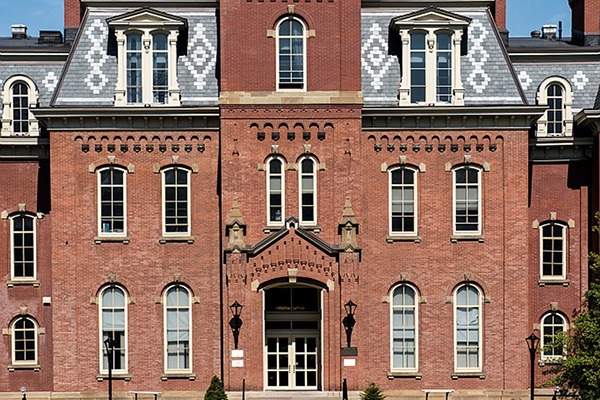
    Brick buildings are admired for their strength, charm, and timeless style. But over time, even the best-built masonry deteriorates. Mortar joints begin to recede or crack, bricks may discolor or crumble, and environmental exposure leads to buildup that weakens the material. Brick restoration addresses these issues to extend the life of a building and improve its appearance, safety, and value.

    It also plays a key role in protecting neighborhoods and historic districts from structural decline. Choosing proper techniques—especially gentle yet effective cleaning—helps maintain the beauty and stability of a structure while avoiding damage caused by outdated methods like sandblasting.

    Step One: Assess Before You Clean or Repair

    Before starting any project, it’s essential to assess the condition of your building:

    • Are mortar joints crumbling or missing?

    • Are bricks stained, moss-covered, or salty with efflorescence?

    • Are there cracks or bulging areas in the wall?

    Next, determine what kind of cleaning is required. If the bricks are dirty but structurally sound, chemical cleaning may be the best first step. If mortar is severely deteriorated, repointing will be necessary after cleaning.

    Be sure to test a small, inconspicuous area before applying any cleaning solution or replacement mortar.

    Why Use Chemical Cleaning for Brickwork?

    It is a controlled, low-pressure method that uses specialized cleaning agents to break down and remove surface buildup on masonry. Unlike abrasive blasting, chemical cleaning doesn’t damage the outer layer of the brick, making it ideal for older or more delicate structures.

    Benefits of chemical cleaning in brick restoration:

    • Removes dirt, biological growth, and salt without eroding brick surfaces

    • Prepares brick for repointing or sealing

    • Preserves the natural color and texture of aged brickwork

    • Can be customized for different masonry types and building conditions

    Contractors use eco-safe solutions applied through hot water systems and low-pressure sprayers to lift stains without introducing excessive moisture. Products must always be rinsed thoroughly to avoid residue or future staining.

    Repointing After Chemical Cleaning

    Once cleaning is complete, repointing may be required to restore structural integrity. Old mortar is carefully removed to a depth of ¾–1 inch using non-metallic tools. After brushing out debris, new mortar—matched in color and strength to the original—is packed into joints using a pointing trowel.

    Mortar should be mixed to the consistency of peanut butter and applied in small batches. Horizontal joints are filled first, followed by verticals. Once the mortar sets slightly, joints are tooled for a smooth finish and excess is brushed away. This step is crucial to long-term durability and a seamless appearance.

    Avoid These Common Mistakes in Brick Restoration

    • Never sandblast. This outdated technique strips away the protective surface of the brick, causing permanent damage.

    • Avoid high-pressure washing. High PSI can force water into brick pores and loosen mortar joints.

    • Don’t clean or repoint during freezing temperatures. Moisture trapped inside bricks can expand and cause cracking.

    • Don’t overuse waterproof coatings. Trapping moisture inside masonry can lead to rot and internal damage.

    Instead, opt for well-tested, industry-approved cleaning techniques paired with compatible mortar and gentle handling.

    Trust Unique Industries for Cleaning Solutions

    At Unique Industries, we understand the science behind effective brick restoration. Our systems are engineered to deliver controlled pressure, consistent heat, and precise chemical cleaning results—helping professionals clean masonry safely and efficiently.

    Whether you’re managing a municipal restoration project or renovating a historic home, we can help you find the right tools, cleaners, and equipment to get the job done right the first time. Our products support restoration professionals across the country and are trusted by contractors working in harsh and sensitive environments alike.

  • Graffiti Removal From Bricks

    Graffiti Removal From Bricks

    graffiti removal Unique

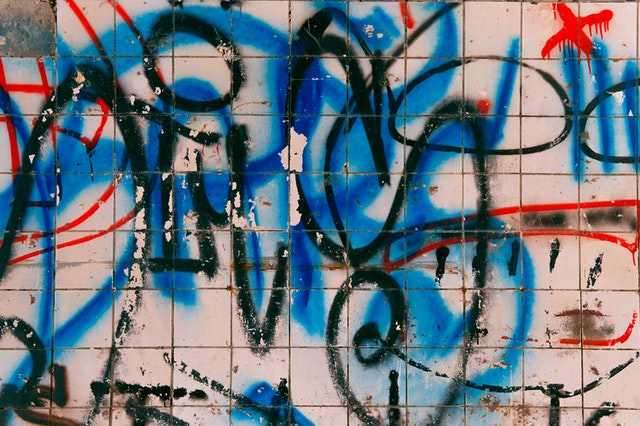
    Unwanted graffiti and vandalism of a commercial building not only damages its fabric but also the reputation of a business. It gives off the impression that a company doesn’t care about its public image, which can put off prospective customers. Some types of graffiti in residential buildings can contribute to social unrest by giving the impression of high crime rates in the area or gang-related activities.

    Removing graffiti at the earliest restores the exterior of your building to its original state and shuns such perceptions. However, removing graffiti from brick can be challenging because of its uneven surface. Its porosity also means the applied paint is absorbed, making it difficult to scrape or wipe off.

    But there’s no cause for alarm. Here are the simple steps to follow when removing graffiti from bricks.

    Step 1: Safety First

    Some of the chemicals used in cleaning graffiti have dangerous fumes that can have adverse effects on the lungs when inhaled for long or cause skin problems when you come into contact with them. To protect your eyes from the chemical, put on safety goggles and also wear a face mask to avoid breathing the chemical’s fumes.

    Work gloves to protect your hands from the corrosive chemicals are also vital.

    Step 2: Chemical Application

    The spray paints used in graffiti art are strong and potent. You’ll need some removal chemicals to get rid of the graffiti easily. There are numerous solvent solutions available in the market for graffiti removal, and you can find them in your local stores or from reputable online shops. After finding the right product, all you need to do is apply the solvent to the graffiti as per the manufacturer’s directions.

    Step 3: Wait

    After application, let the chemical sit before you can start scrubbing. Follow the manufacturer’s recommendations on how long the solvent should sit. However, if not indicated, the time should depend on the prevailing conditions. Let the chemical sit for a longer time if the paint is highly saturated, the brick is extremely porous or the temperature is cold. Proceed to scrub with a brush to loosen the paint. Make sure to thoroughly scrub the entire area, removing as much paint as possible.

    Step 4: Pressure Wash the Area

    Pressure wash the area using a wide, fan tip pressure washing nozzle. A pressure washer is highly recommended for graffiti removal on bricks because bricks are highly porous, and it might be difficult for the graffiti remover formula to reach all the paint. The pressure washer helps remove the clinging paint.

    Step 5: Repeat if Necessary

    Leave the wall to air dry. If there is still some stubborn paint remaining, repeat the process until all the graffiti has come off.

    It’s important to note that you should avoid using harsh acids or a metal bristled brush to clean the graffiti. They both etch the brick, and there are chances the metal bristles from the brush could leave rust stains behind. However, if you want to etch the bricks, do so to the entire wall to ensure it matches.

    In your quest to remove graffiti, you can consider hiring professional graffiti removal services. But if you choose to remove the graffiti yourself, ensure you have the right products. At Unique Industries, we offer the highest quality pressure washers to help you in your quest

    We can meter chemicals directly to the hot water stream, thus making it more effective while not using too much chemicals (or wasting them).

    We stock different models of cleaning units to meet different client’s unique needs.