Category: blog

  • Hot Water Pressure Washer: What Makes Heat Matter for Commercial Cleaning?

    A hot water pressure washer can be useful when a cleaning job involves grease, oil, grime, masonry buildup, or other stubborn material. Pressure and water flow still do much of the cleaning, but added heat can help loosen residue. For commercial and industrial users, understanding how a hot water pressure washer works makes it easier to choose equipment that fits the job instead of relying on pressure alone. At Unique Industries, we note that heated water can help soften oily residue, loosen grime, and support detergent performance.

    Why Heat Changes the Cleaning Process

    A hot water pressure washer uses a burner and heating coil to raise the water temperature before it reaches the spray wand. The pump creates flow and pressure, while the heating system adds another cleaning factor. Hot water can help soften oily residue, loosen grime, and support detergent performance.

    Maximum heat is not right for every surface. A hot water pressure washer should be matched to the material being cleaned, the buildup being removed, and the process. Masonry, industrial equipment, architectural surfaces, and production areas can call for combinations of temperature, pressure, flow, and chemistry. At Unique Industries, we offer equipment with variable options for power washing, acid washing, and temperature adjustment based on the application.

    Pressure and Flow Still Matter

    Temperature is only one part of a hot water pressure washer. PSI describes water pressure, while GPM describes how much water the machine moves. Both matter because pressure helps break material away and water flow helps carry loosened material from the surface.

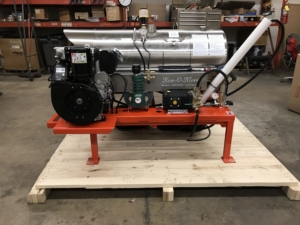
    For example, our MK7 mobile unit is rated at 3,000 PSI and up to 8 GPM. It provides a 100-degree temperature pickup over ambient water temperature and can be trailer or skid mounted. Those specifications show why a hot water pressure washer should be evaluated as a complete system instead of by one number.
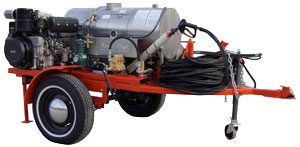
    example of Unnique Industries hot water pressure washer, it's the mk7.

    When Chemical Delivery Matters

    Some commercial cleaning and surface-preparation jobs require chemistry as well as heat and pressure. In that situation, the way a hot water pressure washer introduces chemicals becomes important.

    At Unique Industries, our Kem-O-Kleen systems are built around controlled chemical induction. The MK7 hot water pressure washer introduces chemicals into the high-pressure water stream. Our MK3 combines pressure, heat, and the ability to use muriatic acid or other chemicals in that stream. This is relevant for masonry cleaning, building restoration, and architectural precast or GFRC etching.

    A hot water pressure washer with control over heat, pressure, and chemical use can provide more flexibility when job conditions change. Instead of treating every surface the same way, operators can choose settings that better match the work.

    Mobile or Stationary?

    Where the equipment will be used is a consideration. A mobile hot water pressure washer may fit when the machine needs to travel between jobs or move around a site. A stationary hot water pressure washer can make more sense when cleaning or etching happens repeatedly in one production area.

    We offer both mobile and stationary Kem-O-Kleen systems. Our stationary units are designed for industrial cleaning and architectural precast or GFRC etching, while the MK7 provides a mobile option for field applications. The right hot water pressure washer configuration depends on space, workflow, and how often the equipment needs to move.

    What to Consider Before Buying

    Before choosing a hot water pressure washer, look beyond maximum PSI. Consider:

    • The surfaces you clean most often
    • The type of buildup being removed
    • Needed pressure and water flow
    • Whether chemical application is required
    • Whether the unit should be mobile or stationary
    • Access to replacement parts and support

    A hot water pressure washer should fit the work you actually perform. If your applications vary, the ability to adjust temperature, pressure, or chemical use may be especially valuable.

    Hot Water Cleaning at Unique Industries

    At Unique Industries, we manufacture Kem-O-Kleen hot water, chemical-induced pressure washing systems used for building restoration, industrial cleaning, masonry cleaning, and architectural precast and GFRC etching. We offer mobile and stationary equipment, along with parts and customer support.

    Our most popular Kem-O-Kleen masonry cleaning model is the MK3 hot water pressure washer. For users who need higher flow and a mobile platform, the MK7 combines hot water, pressure, and controlled chemical delivery.

    Choosing the right hot water pressure washer comes down to the surface, workflow, and cleaning result you need. Comparing heat, pressure, flow, chemical capability, and mobility together gives buyers a way to choose a hot water pressure washer for demanding commercial work.
  • Choosing the Right VAL6 Heater for Your Jobsite

    A VAL6 heater can make a major difference when cold weather starts slowing down jobsite productivity, material handling, equipment performance, or employee comfort. For contractors, industrial teams, shops, warehouses, and field crews, portable heat is not just about staying warm. It can help keep work moving, protect materials from freezing, support cold-weather tasks, and create a more comfortable work environment.

    Unlike traditional “torpedo” or “salamander” style heaters, VAL6 heaters use infrared radiant heat. That means they heat objects, surfaces, people, tools, materials, and equipment more directly instead of simply blowing warm air into a space. This radiant heat is not as affected by drafts or mist, does not rise the same way heated air does, and avoids wasting energy by blowing hot air around.

    Why Portable Heat Matters on the Jobsite

    Cold conditions can affect more than comfort. They can slow down crews, make tools harder to handle, increase downtime, and create challenges for materials that need to stay above freezing. On some jobsites, heat may be needed in one specific area instead of across an entire building. That is where portable infrared heat can be useful.

    A VAL6 heater may be used for field repair, jobsites, cold spots in warehouses or plants, keeping employees warm, keeping materials from freezing, and helping keep engines or equipment warm. Because the units are portable, they can be moved where heat is needed most instead of relying on a fixed heating system.

    Choosing the Right Heater for the Work Environment

    The right heater depends on how and where it will be used. A large industrial bay has different needs than a small temporary shelter. A semi-open construction site may need strong output and runtime, while a shop may need a heater that is easier to move and position throughout the day.

    Before choosing a unit, consider:

    1. The size of the space being heated
    2. Whether the area is indoors, outdoors, open, or enclosed
    3. How long the heater needs to run between refueling
    4. How often the unit needs to be moved
    5. Whether the goal is broad coverage or spot heating
    6. Safety features, clearance, ventilation, and daily operation needs

    We offer several popular VAL6 heater models, each designed for a different type of work environment.

    Comparing VAL6 Heater Options

    At Unique Industries, we offer several VAL6 heater models, and each one fits a different type of work environment. The best choice depends on how much heat output is needed, how long the heater needs to run, and whether the unit will be used for large-area heating or more targeted spot heat.

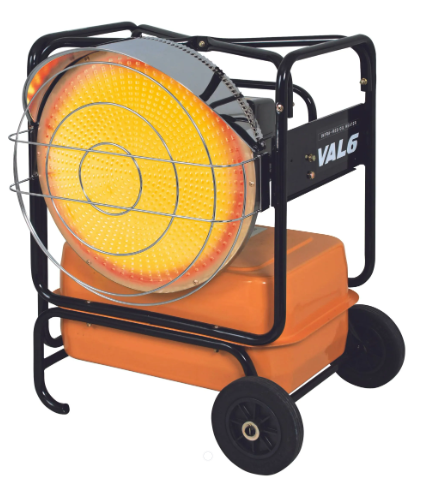
    KBE5L: The KBE5L offers up to 118,000 BTU/h and up to 15 hours of runtime. It is a strong option for medium-to-large spaces, indoor workshops, and semi-open jobsites where crews need high heat output with more flexibility in placement and movement.

    KBE5L VAL6 heater

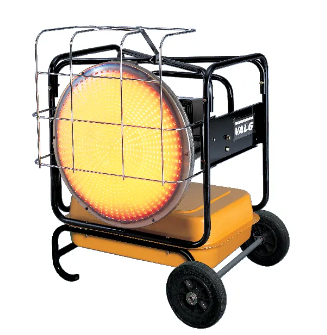
    KBE5S: The KBE5S delivers up to 111,000 BTU/h with up to 9 hours of continuous runtime. It is a good fit for smaller work areas, localized heating, or jobs where a more compact unit is easier to position.

    KBE5S VAL6 heater

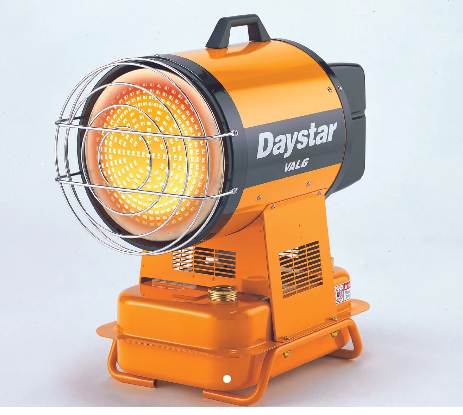
    Daystar: The Daystar is the most compact option, producing 53,100 BTU/h with up to 6 hours of runtime at full load. It works well for temporary shelters, warming stations, small shop areas, or targeted heat in cold corners.

    VAL6 heater daystar

    Keeping Work Moving in Cold Conditions

    Choosing the right VAL6 heater comes down to the space, runtime, portability, and heating goal. Larger areas may call for the EPX or KBE5L, while smaller spaces or spot-heating needs may be better suited for the KBE5S or Daystar. With the right model, crews can work more comfortably, protect materials and equipment, and reduce weather-related interruptions during colder months.

  • When Does Custom Industrial Cleaning Equipment Make Sense?

    Custom industrial cleaning equipment can be a smart choice when standard machines are not enough for the job, surface, workflow, or performance expectations. While many pressure washing and power washing systems work well for general applications, some cleaning challenges require more control, added components, higher heat, increased pressure, or a setup designed around the way a crew actually works.

    When Standard Equipment Falls Short

    Factory-standard equipment is often built for broad use. That can be helpful for everyday cleaning, but industrial work is not always predictable. A facility, contractor, or restoration team may be dealing with fragile surfaces, heavy buildup, limited access, unusual jobsite conditions, or production schedules that do not leave room for slow, inconsistent cleaning.

    A standard system may still get the job done, but it can create avoidable challenges along the way, such as:

    • Repeated passes over the same area
    • Slower cleaning times
    • Poor access to tight or awkward spaces
    • Inconsistent results across different surfaces
    • Extra tools or workarounds to complete one job

    Custom industrial cleaning equipment helps solve these issues by adapting the machine to the application instead of forcing the application to fit the machine.

    Matching Equipment to the Surface

    One of the biggest reasons to consider custom industrial cleaning equipment is surface sensitivity. Industrial cleaning can involve concrete, masonry, architectural precast, GFRC, brick, stone, equipment, vehicles, or other surfaces that each respond differently to heat, pressure, chemicals, and water flow.

    A tough surface may require more pressure or higher temperatures to clean efficiently. An older or fragile surface may need a more controlled approach to avoid damage. Equipment can be modified to run water at high temperatures or increase water pressure, helping tailor the machine to the surface being cleaned.

    This matters because more power is not always the answer. The right custom industrial cleaning equipment setup should support the cleaning goal without creating unnecessary risk to the material.

    What Can Be Customized?

    Custom equipment can make sense when a team needs better performance from the machine itself. Depending on the application, that may mean adding components, boosting output, expanding capabilities, or rebuilding equipment around specific requirements.

    At Unique Industries, our custom industrial cleaning equipment capabilities include modifying individual aspects of cleaning machinery so it performs the way the customer needs it to. Their team can tear down equipment and rebuild it to specification, add components, and provide complementary equipment to support the custom system.

    custom industrial cleaning equipment

    Common customization needs may involve:

    1. Higher water temperatures for tough buildup
    2. Increased water pressure for demanding cleaning work
    3. Added components for a more complete system
    4. Rebuilt equipment designed around a specific application
    5. Cosmetic customization, including machinery color options

    These updates can be especially useful for teams that regularly handle specialty surface preparation, acid etching, masonry cleaning, industrial washdowns, or other demanding cleaning jobs.

    When Customization Is Worth Considering

    A custom system may be worth exploring if a company frequently works on difficult surfaces, needs more consistent cleaning results, or wants equipment built around a specific process. It may also help if existing machines require workarounds, do not provide enough heat or pressure, or cannot support the accessories or components needed for the job.

    Before investing in custom industrial cleaning equipment, it helps to ask what the current setup is missing. Is the issue speed, temperature, pressure, access, durability, or consistency? Once the problem is clear, it becomes easier to decide whether a custom system would improve the way the work gets done.

    Built Around the Job

    The best cleaning equipment should support the work instead of slowing it down. For teams that need more than a standard system, custom industrial cleaning equipment can provide the flexibility to match the machine to the job, the surface, and the operator’s needs. Unique Industries works with customers to consider unique requests, customize applicable machines, and help provide equipment that is ready to perform when it leaves the shop.

  • Pressure Washer Burner Systems: What They Do and Why They Matter

    A pressure washer burner is one of the most important parts of a hot water pressure washing system. While the pump creates flow and pressure, the burner and heating system raise water temperature so the equipment can break down grease, oil, grime, and heavy buildup more effectively. For contractors and maintenance teams, understanding this system can make it easier to choose parts, spot issues, and reduce downtime.

    What a Pressure Washer Burner Does

    In a hot water pressure washer, water moves through a heating coil while the burner system generates heat. As the water passes through the coil, it warms before leaving the spray wand. That added heat helps loosen stubborn soils that cold water alone may struggle to remove.

    This is useful in industrial cleaning, equipment washing, fleet maintenance, masonry cleaning, and other jobs involving grease, fuel residue, dirt, or chemical buildup. Hot water does not replace proper pressure, flow, or technique, but it can make the process faster and more effective.

    Key Parts of a Burner and Heating System

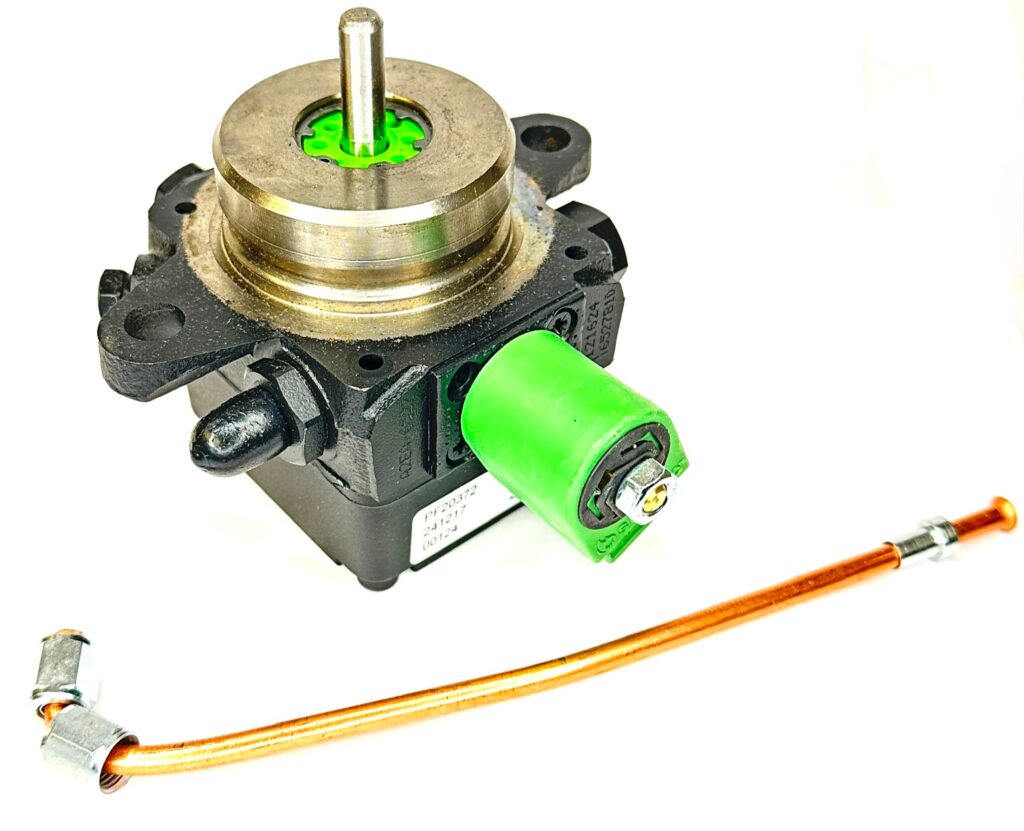
    At Unique Industries, our Kem-O-Kleen pressure washer burner and heating systems website category includes burner motors, transformers, electrode kits, fuel pumps, fuel filters, aquastats, valve coils, valve stems, flow switches, mounting gaskets, and burner assemblies.

    pressure washer burner  fuel pump

    Common components include:

    1. Burner motor: Helps power the burner assembly so fuel and air can move through the system.
    2. Fuel pump and filter: Help deliver cleaner fuel to the burner.
    3. Electrodes and transformer: Help create the ignition needed for the burner to fire.
    4. Aquastat: Helps monitor or regulate water temperature.
    5. Flow switch: Helps ensure the system responds when water is moving through the unit.

    When one part wears down, the burner may fail to ignite, heat unevenly, shut off unexpectedly, or produce lower water temperatures.

    Why Heat Matters in Pressure Washing

    Heat changes how cleaning works because warm or hot water can help soften oily residue, loosen grime, and support detergent performance. For frequent cleaning jobs, this can make the process more efficient by reducing the need for repeated passes over the same surface.

    A properly working pressure washer burner can be especially helpful for equipment washing, shop floors, commercial surfaces, industrial buildup, and cold-weather cleaning. The right temperature still depends on the surface, detergent, and equipment setup, so operators should always follow equipment guidelines and avoid using excessive heat on materials that could be damaged.

    Maintenance Considerations 

    These systems work under heat, vibration, fuel exposure, and regular jobsite wear. That makes routine inspection important. Maintenance can include checking fuel filters, inspecting electrodes, confirming electrical connections, watching for fuel leaks, and making sure the burner ignites smoothly.

    Signs that a pressure washer burner system may need attention include:

    • Water is not heating properly
    • Burner starts and stops repeatedly
    • Smoke, unusual odor, or poor combustion
    • Delayed ignition
    • Inconsistent temperature
    • Soot buildup around the heating system

    Ignoring these issues can lead to poor cleaning performance, extra fuel use, downtime, or damage to other components.

    Choosing the Right Replacement Parts

    Not every burner part fits every pressure washer. Voltage, burner style, fuel system, heating coil design, and model compatibility all matter. Before ordering parts, identify the equipment model, part number, and current setup.

    We offer pressure washer burner and heating system parts for hot water cleaning equipment, including Beckett-related components, MK3 and MK7 parts, aquastats, fuel filter assemblies, and flow switches. Customers who cannot find a part can also call or email for help, which is useful when matching parts for older equipment.

    Keeping Hot Water Equipment Reliable

    A pressure washer burner supports the heat that makes hot water cleaning so valuable. When the burner system is clean and matched with the right parts, the unit can perform more consistently. For industrial cleaners and facility teams, the heating system plays a direct role in productivity, cleaning quality, and less downtime.

  • Masonry Cleaner Solutions: Restoration vs. Rehab vs. Reconstruction

    Choosing the right masonry cleaner is about more than removing stains or buildup from a surface. In many building restoration projects, cleaning helps determine whether a structure can be preserved, restored, rehabilitated, or requires larger-scale reconstruction. According to Unique Industries, restoration work often depends on balancing power washing, acid washing, heat, and controlled chemical application to improve quality while reducing unnecessary labor and downtime. 

    For contractors, property owners, and restoration specialists, understanding where cleaning fits into the process can help guide better decisions before major repairs begin.

    Preservation Starts With Proper Cleaning

    In some cases, the goal is not to rebuild or dramatically alter a structure. It is simply to preserve it. Dirt, pollution, mineral buildup, biological growth, and staining can slowly damage masonry surfaces over time if they are not addressed properly.

    This is where a masonry cleaner becomes part of preventive maintenance rather than repair. Controlled washing helps remove contaminants before they lead to deeper deterioration while also maintaining the appearance of brick, stone, and concrete surfaces. Proper cleaning can also reduce moisture-trapping buildup that contributes to long-term damage and helps extend the usable life of exterior materials.

    Restoration Requires More Than Surface-Level 

    Building restoration projects often involve bringing a structure closer to its original appearance or condition. In these situations, cleaning is not just cosmetic. It is part of the evaluation process.

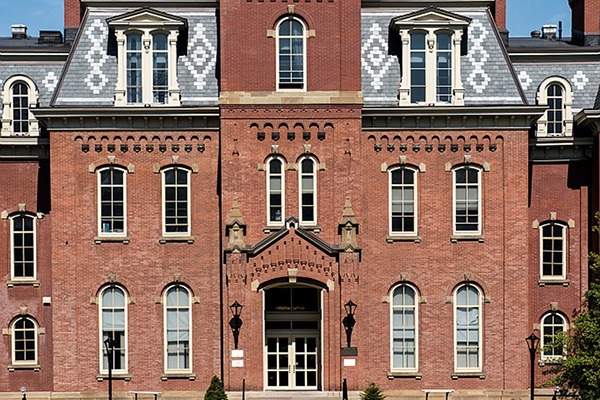
    masonry cleaner unique industries chemical cleaning

    A professional masonry cleaner can help reveal:

    • hidden surface damage
    • previous patchwork or coating inconsistencies
    • areas affected by staining or chemical exposure
    • sections where mortar or masonry may need repair

    Our building restoration market page highlights both power washing and acid washing as part of restoration-focused cleaning systems. Our equipment offers variable pressure and temperature settings, allowing crews to adapt cleaning methods based on the surface and project goals. 

    That flexibility matters because older brick or decorative masonry often requires a different approach than newer concrete or industrial surfaces.

    Rehab Projects Depend on Surface Preparation

    Rehabilitation projects usually focus on improving function while keeping much of the original structure intact. This often includes repairs, coatings, sealing, or surface refinishing.

    Before any of those steps happen, the surface has to be properly prepared. A reliable masonry cleaner helps create a more consistent base for:

    1. coatings and sealants
    2. masonry repairs and patching
    3. repainting or refinishing work
    4. surface inspections and structural assessments

    Without proper cleaning, contaminants may remain trapped on the surface, affecting adhesion or leading to uneven results later in the project.

    We position our systems as a way to improve cleaning efficiency while producing higher-quality etching and surface preparation through the controlled use of hot water and chemicals.

    When Reconstruction Becomes Necessary

    Not every structure can be fully restored or rehabilitated. Sometimes cleaning reveals damage that is more severe than expected.

    For example, a masonry cleaner may expose:

    • cracked or deteriorated mortar joints
    • severe moisture damage
    • surface spalling
    • structural instability beneath coatings or buildup

    Even in reconstruction scenarios, cleaning still plays an important role because it helps crews assess what can realistically be saved and what must be replaced.

    This is why restoration professionals often treat cleaning as one of the first major steps in a project rather than an afterthought.

    Why Equipment Choice Matters in Restoration Work

    Systems designed specifically for restoration and masonry work can make a major difference in both efficiency and results, especially when the right masonry cleaner is paired with the proper equipment.

    Unique Industries emphasizes features such as:

    • variable power washing systems
    • hot water capabilities
    • acid washing options
    • controlled chemical application
    • systems designed to reduce labor and improve consistency 

    These capabilities allow contractors to adjust the cleaning process based on the condition of the building and the project strategy, whether the goal is preservation, restoration, rehab, or reconstruction.

    Cleaning Often Determines the Next Step

    The right masonry cleaner does more than improve appearance. It helps reveal condition, guide repairs, and support better decisions throughout a restoration project. From preserving historic surfaces to preparing structures for rehab work, cleaning is often the step that determines what comes next.By combining pressure washing, heat, and controlled chemical application, Unique Industries positions our systems as tools that help restoration professionals clean more effectively while adapting to the specific needs of each project.

  • Pressure Washer Parts: Keep Your Kem-O-Kleen System Strong

    Choosing the right pressure washer parts is one of the most important ways to keep your system running at a high level. For Kem-O-Kleen users, performance is built on a combination of pressure, heat, and controlled chemical delivery—so every component plays a role in how efficiently and consistently the system operates. Unique Industries designs its systems for durability and long-term performance, but like any professional equipment, the right replacement parts help maintain that advantage over time.

    Why Pressure Washer Parts Matter More Than You Think

    A Kem-O-Kleen unit is not just a machine—it is a system made up of multiple working components. Unique emphasizes that its equipment is engineered for power, precision, and efficiency, combining water, heat, and chemicals in a way other systems do not.

    That means pressure washer parts are not interchangeable pieces. Each one contributes to how well the system performs in real-world applications like masonry cleaning, industrial cleaning, and acid etching. When one component wears down, it can affect everything from spray consistency to chemical control.

    Wands & Accessories: Where Control Starts

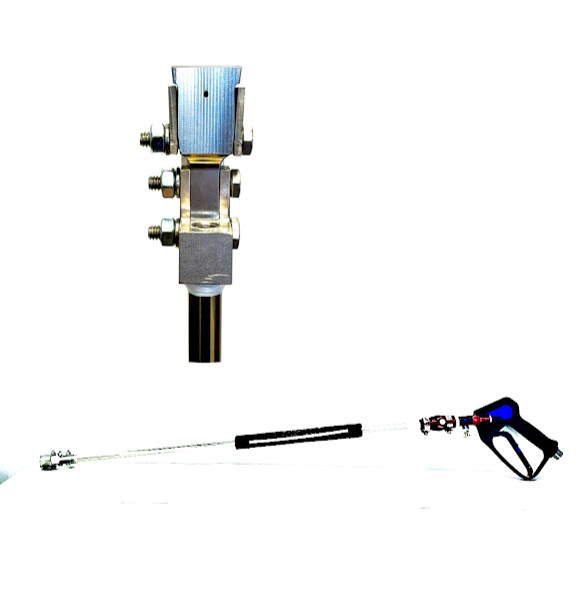
    pressure washer parts- wands & accessories

    Wands and accessories are the parts operators interact with the most, making them critical to both performance and usability.

    • Direct spray pattern and accuracy
    • Control how chemicals and water hit the surface
    • Influence operator comfort and efficiency

    If these parts are worn or damaged, it becomes harder to maintain consistent results, especially in detailed work like precast or GFRC finishing.

    Hoses & Plastic Fittings: Keeping Flow Consistent

    Hoses and fittings are responsible for delivering water and chemicals throughout the system. Without them functioning properly, the entire process can break down.

    • Maintain steady pressure and flow
    • Prevent leaks that reduce efficiency
    • Support safe transfer of cleaning chemicals

    Since Kem-O-Kleen systems rely on a controlled combination of water and chemicals at pressure, these pressure washer parts are essential for maintaining that balance.

    Compressors & Pumps: The Core of Performance

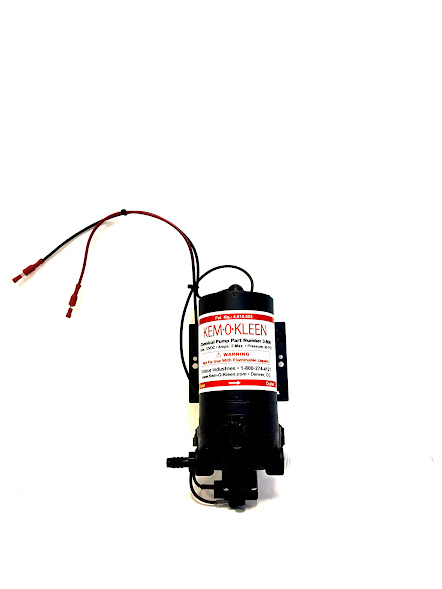
    pressure washer parts- compressors & pumps

    If there is one category of pressure washer parts that directly impacts output, it is compressors and pumps.

    • Drive water pressure and system flow
    • Support consistent chemical induction
    • Influence cleaning speed and effectiveness

    Unique’s systems are designed to deliver high-pressure hot water combined with chemicals for faster, more consistent results. That level of performance depends heavily on pump reliability.

    Burner & Heating Systems: Why Heat Makes a Difference

    Kem-O-Kleen systems are hot water units, which means burner and heating components are a major part of their advantage.

    • Help break down tough buildup faster
    • Improve efficiency in demanding cleaning jobs
    • Support more consistent etching and surface prep

    Heat, pressure, and chemistry work together in these systems, so maintaining these parts helps preserve that full capability.

    Engines & Parts: Powering the Entire System

    The engine is what keeps everything moving. Without it, even the best-designed system cannot perform.

    • Provide consistent power on job sites
    • Support long operating hours
    • Impact overall system reliability

    Unique systems are built for tough environments and heavy use, so keeping engine-related pressure washer parts in good condition is essential for uptime.

    Tanks & Valves: Control and Safety

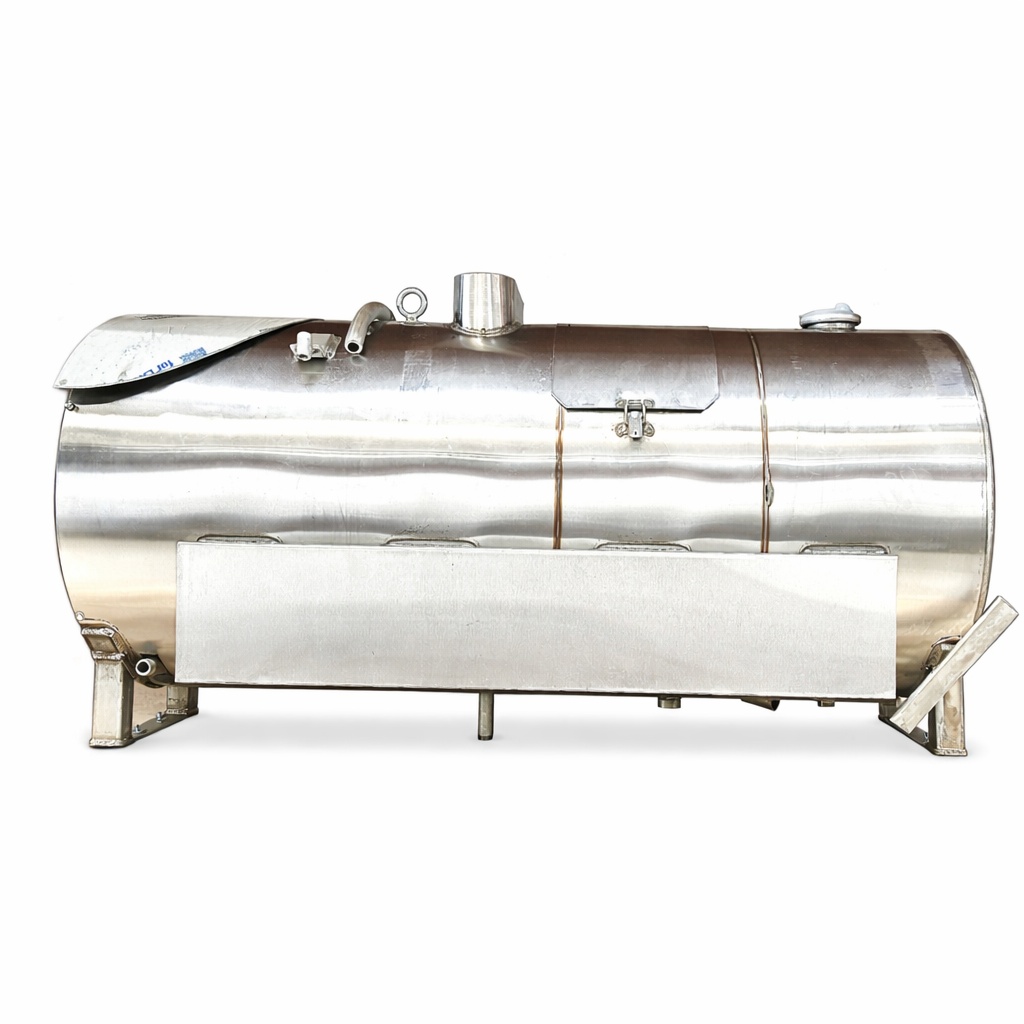
    pressure washer parts- tanks & valves

    Tanks and valves are often overlooked, but they are key to managing both performance and safety.

    • Store water and chemical solutions
    • Regulate pressure and flow
    • Help maintain controlled application

    Because Kem-O-Kleen systems are designed to precisely control chemical delivery, these parts play a direct role in achieving consistent results.

    Supporting Your System With the Right Parts

    Unique Industries’ shop is structured around the real components that keep systems running. That structure reflects how these machines actually operate in the field. Instead of thinking about maintenance as one big task, it becomes easier to manage performance by focusing on individual pressure washer parts and replacing them as needed.

    Keeping Performance Consistent Over Time

    The best way to think about pressure washer parts is as an investment in uptime and results. Kem-O-Kleen systems are built to complete jobs faster, cleaner, and safer, but maintaining that performance depends on keeping each component in working condition. At Unique Industries’, our shop is structured around the real components that keep systems running.

    By paying attention to wear points, replacing parts before they fail, and using the shop as a resource, operators can keep their systems strong and ready for the next job—without unnecessary downtime or inconsistent results.

  • Pressure Washer Maintenance: How to Preserve Your Kem-O-Kleen Unit

    Good pressure washer maintenance does more than keep equipment running. It helps protect performance, reduce downtime, and extend the life of a machine built for demanding work. Unique Industries positions its Kem-O-Kleen units as hot water, chemical-induced pressure washing systems designed to handle multiple job types more efficiently, and the company also emphasizes simple operation, maintenance, and durability as part of its product philosophy.

    Why Pressure Washer Maintenance Matters

    For a Kem-O-Kleen unit, pressure washer maintenance is closely tied to results in the field. Unique says its systems are engineered for building restoration, industrial cleaning, masonry cleaning, and architectural precast or GFRC etching, so consistent operation matters across a wide range of applications. When a machine is used this heavily, routine upkeep is not just preventive care. It is part of protecting cleaning quality, chemical delivery, and jobsite efficiency.

    Start With the Parts That Wear the Fastest

    One of the most practical ways to approach pressure washer maintenance is to focus first on the components that see regular wear. Unique’s shop makes that easy to understand because it is organized around real replacement categories, including Wands & Accessories, Hoses & Plastic Fittings, Burner & Heating Systems, Compressors & Pumps, Engines & Parts, and Tanks & Valves. 

    Parts shown directly on the shop page make the point even clearer. Unique lists items such as trigger guns, wand pipes, spray nozzles, insulated handles, ball valves, an acid transfer pump, and an acid hose kit. That range shows how many individual components can affect daily performance if they are worn, damaged, or ignored for too long.

    Key Areas to Inspect Regularly

    A simple pressure washer maintenance checklist can go a long way toward avoiding interruptions. Focus on the areas most likely to affect spray quality, control, and safe operation:

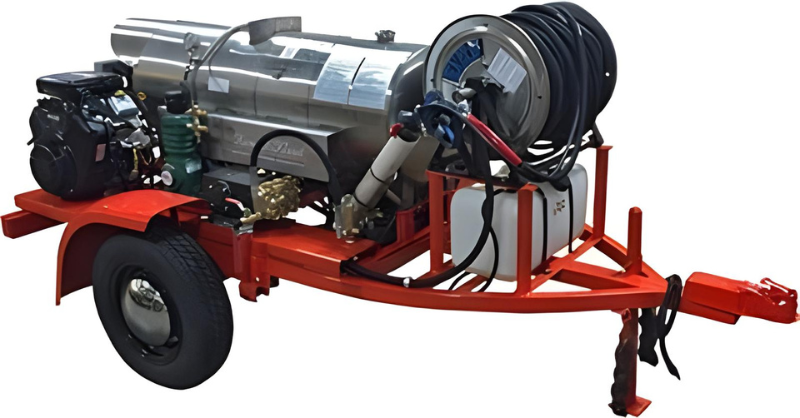
    mobile unit- pressure washer maintenance
    • Hoses and fittings for cracks, wear, or leaks
    • Trigger guns and wand parts for damage or poor handling
    • Spray nozzles for clogging, wear, or an uneven pattern
    • Valves and pumps for reduced flow or inconsistent performance
    • Burner and heating-related components for signs of strain or failure

    These are not minor details. On a system that combines hot water, pressure, and chemical application, even a small issue can start to affect consistency on the job.

    How Replacement Parts Support Long-Term Performance

    Smart pressure washer maintenance is not only about inspections. It is also about replacing the right parts before a small issue turns into lost time. A worn nozzle can change the spray pattern. A damaged hose can interrupt workflow. A weak valve or pump component can reduce control during cleaning or etching. When that happens, crews may notice slower work, uneven performance, or more rework on the surface. This is exactly why having a reliable parts source matters.

    Unique’s shop page supports that long-term approach. In addition to listing many replacement categories and parts, the page also tells customers to call or email if they cannot find the part they need. On the main site, Unique reinforces that support by saying it helps customers with parts and troubleshooting long after delivery.

    A Practical Maintenance Routine for Kem-O-Kleen Units

    A useful pressure washer maintenance routine does not need to be complicated. It just needs to be consistent. For Kem-O-Kleen owners, that could look like this:

    1. Inspect before and after use. Check hoses, nozzles, valves, and wand components for visible wear.
    2. Replace wear items early. Do not wait for a minor part issue to cause a larger performance problem.
    3. Keep common parts accessible. Stocking frequently used replacement items can shorten downtime.
    4. Use the shop as a reference point. Unique’s shop categories make it easier to identify the kinds of parts your unit depends on.
    5. Reach out when needed. If a part is hard to identify, Unique invites customers to contact the company directly.

    Protecting the Investment in Your Equipment

    Unique highlights Kem-O-Kleen systems as faster, cleaner, and safer machines built for power, durability, and precision. That kind of equipment deserves a maintenance plan that supports the same standards. Good pressure washer maintenance helps preserve uptime, protects performance, and keeps the unit ready for the next demanding job. When owners pair routine inspections with timely replacement parts from Unique’s shop, they put themselves in a better position to get long-term value out of the machine.

  • What Sets a Pressure Washer System Apart: The Unique Industries Advantage

    When choosing a pressure washer system for masonry cleaning, acid etching, or heavy industrial jobs, not all systems are created equal. At Unique Industries, the way these systems are engineered—especially in their Kem-O-Kleen line—delivers real performance benefits that most standard washers simply can’t match. By combining pressure, heat, and controlled chemical delivery, these systems offer faster, cleaner, and safer results on tough surface preparation tasks.

    How Traditional Pressure Washers Work (and Where They Fall Short)

    Most systems rely on a simple mechanism: force water at high speed through a nozzle to blast away dirt and grime. This works well for everyday cleaning, but when you need to etch concrete or remove stubborn masonry contaminants, traditional systems face limitations:

    • They typically lack integrated chemical delivery, forcing operators to pre-apply acids or detergents manually.
    • They can struggle to consistently combine heat, pressure, and chemical action in a way that speeds up cleaning or etching.
    • Workers often end up spending extra time on rinsing, neutralizing, and reworking areas that didn’t etch uniformly.

    For contractors and fabricators who demand precision and efficiency, these drawbacks can translate into more labor hours and inconsistent results.

    What Makes a Kem-O-Kleen Pressure Washer System Different

    Unique Industries’ pressure washer systems—especially those in the Kem-O-Kleen family—are engineered from the ground up to address those exact limitations. Here’s what sets them apart:

    1. Controlled Chemical Induction

    Kem-O-Kleen systems use a patented acid induction system that delivers chemicals directly into the high-pressure water stream in a controlled way. This means muriatic acid or other cleaning agents are mixed precisely with the water as it sprays, rather than laboriously brushed or sprayer applied beforehand.

    Why that matters:
    Uniform chemical distribution leads to consistent cleaning and etching across a surface, reducing missed spots and rework.

    2. Heat + Pressure + Chemistry in One System

    These pressure washer systems aren’t just about brute force. They combine hot water, high pressure, and controlled chemistry to remove contaminants faster and more thoroughly than cold water units or systems that rely solely on pressure.

    Why temperature matters:
    Heat accelerates chemical reactions and dissolves residues more effectively, which is especially beneficial in masonry cleaning and acid etching.

    3. Built for Real Jobsite Demands

    pressure washer system- MK3

    Unique Industries designs their systems—like the MK3 mobile unit—with commercial-grade components, heavy-duty frames, large chemical tanks, and long high-pressure hoses that reach wide work areas without frequent repositioning. Models can be trailer or skid mounted and powered by gasoline, diesel, or electric power depending on job requirements.

    This kind of build quality ensures the pressure washer system is reliable in daily professional use and durable in tough environments.

    4. Versatility Across Applications

    Whether you’re etching architectural precast concrete, cleaning brick-faced surfaces, restoring historical masonry, or prepping industrial equipment, these systems adapt. The combination of hot water and controlled chemical delivery means the same base technology can handle a wide range of cleaning and surface preparation tasks.

    Contracts that once required multiple tools and manual processes can now be managed more efficiently with one system.

    When the Difference Really Shows

    The unique engineering of these pressure washer systems becomes especially important in scenarios where speed, safety, and consistency are critical:

    • Architectural precast and GFRC etching: Controlled acid application means surfaces etch evenly without the hazards of manual chemical spreading.
    • Industrial cleaning: Hot, pressurized chemical spray cuts through grease and heavy deposits that traditional systems struggle with.
    • Masonry restoration: A blend of pressure and chemistry brings back brick and stone surfaces with minimal labor.

    Choosing the Right System for Your Work

    When evaluating a pressure washer system, think beyond just maximum PSI numbers. Consider how the system:

    • Integrates chemical delivery without extra tools,
    • Uses heat and pressure in harmony,
    • Handles long work sessions with industrial-grade reliability,
    • Adapts to multiple applications on job sites.

    Unique Industries’ Kem-O-Kleen systems are designed with these criteria in mind, making them a worthwhile option for professionals who need a pressure washer system that delivers real productivity and quality—not just high pressure.

    If you’re ready to upgrade how you tackle surface cleaning and etching projects, exploring systems that combine pressure, heat, and chemistry could make all the difference.

  • Pressure Washing with Chemicals: Safe Handling & Environmental Best Practices

    Pressure washing with chemicals can be a powerful solution for industrial cleaning, masonry restoration, acid etching, and surface preparation—but it must be approached with care. When using advanced systems like Unique Industries’ Kem-O-Kleen units, operators must be trained in chemical safety and proper procedures to ensure both effective results and workplace safety.

    From correct handling of cleaning agents to environmental runoff containment, this guide outlines the core best practices every industrial crew should follow when pressure washing with chemicals.

    Understand the Chemicals You’re Using

    Before any chemical is sprayed, it’s essential to know exactly what you’re working with. That starts with reading and understanding the product’s Safety Data Sheet (SDS). The SDS provides information on hazards, necessary protective equipment, storage instructions, first aid, and environmental risks. It’s not just a regulatory formality—it’s the blueprint for safe handling.

    When pressure washing with chemicals, the products involved can range from mild detergents to highly corrosive acids used for etching or masonry cleaning. Always store chemicals in clearly labeled, sealed containers away from heat or direct sunlight. Avoid mixing products unless explicitly instructed to do so by the manufacturer.

    Mastering Dilution and Application

    Incorrect dilution is one of the most common mistakes in pressure washing with chemicals. Mixing solutions too strong can damage surfaces or harm workers, while overly diluted mixtures reduce cleaning effectiveness and waste resources.

    Industrial systems like the Kem-O-Kleen often come equipped with built-in chemical injection controls to simplify this process. Still, operators should always follow both equipment manuals and chemical label instructions when preparing solutions.

    When applying them, avoid excessive saturation. Apply with consistent motion, allow appropriate dwell time (as recommended by the product), and never let chemicals dry on the surface, which can lead to staining or degradation.

    Rinsing, Runoff Containment & Environmental Protection

    Proper rinsing is a pivotal part of pressure washing with chemicals. After allowing the chemical to work, thoroughly rinse with clean water at moderate pressure. Be sure to:

    • Direct runoff away from storm drains
    • Use containment berms or mats when working near sensitive areas
    • Collect wash water where possible for responsible disposal

    Environmental stewardship matters. Many detergents and surface cleaners contain compounds that are harmful if they enter waterways untreated. Federal, state, and local regulations often govern how runoff can be handled, so check requirements in your area and plan accordingly.

    Proper PPE for Every Job

    pressure washing with chemicals- Unique

    Chemical exposure is a real risk, especially during longer or large-scale operations. Personal protective equipment (PPE) is one of the simplest but most essential ways to protect workers while pressure washing with chemicals.

    At a minimum, workers should wear chemical-resistant gloves, protective eyewear or a face shield, and waterproof boots. Depending on the chemical being used, additional PPE like aprons, long sleeves, or even respirators may be necessary. Always match the PPE to the chemical hazard level outlined in the SDS. Ensuring your team is properly protected is not just smart—it’s OSHA-compliant.

    Safe Disposal in 3 Steps

    After cleaning is complete, proper disposal of chemical waste is a must. Leaving solutions in the system or draining them carelessly can result in both environmental damage and equipment corrosion.

    Here’s a basic safe disposal process:

    1. Neutralize when necessary. Some acid-based cleaners may need neutralization before disposal.
    2. Collect rinse water. Use approved containers or containment mats to collect runoff.
    3. Dispose responsibly. Follow local hazardous waste disposal regulations. Never pour chemicals down storm drains or into soil.

    These steps protect not just your crew, but your community and surrounding ecosystem.

    Consistent Training Makes the Difference

    Safety isn’t just a checklist—it’s a culture. Crews that regularly handle chemical cleaning systems should receive ongoing training on chemical handling procedures, PPE, environmental safety, and emergency response protocols. Having written standard operating procedures (SOPs) for your equipment—including Kem-O-Kleen systems—is the best way to ensure consistency across multiple teams or job sites. When pressure washing with chemicals, the most successful operations are the ones that treat safety and sustainability as part of the process, not an afterthought. With the right tools, training, and mindset, industrial chemical cleaning can be safe, effective, and environmentally responsible.

  • What Is GFRC? A Comprehensive Guide to Glass Fiber Reinforced Concrete and Etching

    What Is GFRC? A Comprehensive Guide to Glass Fiber Reinforced Concrete and Etching

    When searching for durable, lightweight, and versatile materials in architectural design, Glass Fiber Reinforced Concrete (GFRC) often stands out. But what is GFRC, and why has it become a favorite among architects, contractors, and fabricators? At Unique Industries, we specialize in providing innovative solutions like our Kem-O-Kleen systems that enhance the efficiency and quality of GFRC etching for architectural precast applications.

    In this article, we’ll break down what GFRC is, explore the benefits of GFRC etching, and explain why Unique Industries is a trusted partner for professionals in this industry.


    What Is GFRC?

    GFRC, or Glass Fiber Reinforced Concrete, is a type of concrete that incorporates glass fibers to significantly increase tensile strength, flexibility, and durability without adding weight. Unlike traditional concrete, which relies solely on steel reinforcement, GFRC uses high-strength alkali-resistant (AR) glass fibers distributed throughout the mix. This results in a material that is lighter, stronger, and more versatile for decorative and structural elements alike.

    GFRC is widely used in:

    • Architectural precast panels
    • Decorative facades
    • Cladding and veneers
    • Planters, countertops, and custom elements

    Its adaptability allows architects and contractors to achieve intricate designs that would be difficult—or impossible—with traditional concrete.


    What Is GFRC Etching?

    When professionals ask, what is GFRC etching? they are referring to the controlled process of removing surface cement paste from GFRC panels or pieces to expose the underlying aggregates. This creates a textured, decorative finish that enhances both aesthetics and durability.

    GFRC etching is typically accomplished using an acid etching process, where diluted acid solutions are applied to the concrete’s surface. This reveals the aggregate and creates the desired look, ranging from subtle textures to deep exposures.

    Why Etching Matters in GFRC Applications

    • Enhances Appearance: Exposed aggregate surfaces provide rich texture and natural beauty.
    • Improves Grip: Etched finishes reduce slipperiness, making them practical for walkways and outdoor surfaces.
    • Showcases Craftsmanship: Etching highlights the material’s natural qualities and custom design elements.
    • Boosts Durability: Removing the weak top layer of cement paste can make the surface more resistant to weathering.

    Benefits of GFRC in Modern Construction

    Understanding what is GFRC is only part of the picture. Its benefits make it a preferred material in today’s construction and design projects:

    1. Lightweight Without Sacrificing Strength

    GFRC panels can be 75% lighter than traditional precast concrete, reducing transportation and installation costs while maintaining structural integrity.

    2. Versatile Design Possibilities

    From intricate molds to large architectural facades, GFRC can be shaped into virtually any form, making it ideal for custom projects.

    3. High Durability and Longevity

    The embedded glass fibers resist cracking, while the material itself withstands harsh weather, freeze-thaw cycles, and UV exposure.

    4. Sustainable and Efficient

    GFRC uses less cement and reduces the need for heavy steel reinforcement, lowering both material costs and environmental impact.

    5. Compatible with Advanced Finishes

    GFRC works exceptionally well with techniques like acid etching, allowing for customizable finishes that meet aesthetic and functional requirements.


    The Role of Etching in GFRC Fabrication

    GFRC etching plays a critical role in achieving the final look and feel of architectural precast elements. By exposing aggregates, fabricators can create surfaces that blend seamlessly into surrounding environments or stand out as striking design features.

    Common Applications for Etched GFRC

    • Building Facades: Create a natural stone-like appearance at a fraction of the weight.
    • Public Spaces: Add texture and durability to planters, benches, and walkways.
    • Interior Design: Incorporate decorative panels and countertops with unique textures.
    • Historic Restorations: Match the look of traditional materials while improving performance.

    Why Unique Industries Excels in GFRC Etching

    At Unique Industries, we understand that knowing what is GFRC is only the beginning—mastering its processing and finishing is where real value is added. That’s where our Kem-O-Kleen systems come in.

    About Kem-O-Kleen

    Kem-O-Kleen is a proprietary acid etching system engineered to simplify and improve the etching process for GFRC and architectural precast concrete. Unlike traditional methods, which can be labor-intensive and inconsistent, Kem-O-Kleen offers controlled, uniform results every time.

    Key Advantages of Kem-O-Kleen for GFRC Etching

    • Integrated Cleaning and Neutralization
      The system simultaneously etches and cleans, reducing steps and labor while ensuring a neutralized, safe surface.
    • Consistent Finish Quality
      Achieve repeatable results across multiple panels or batches, critical for large architectural projects.
    • Safety and Efficiency
      Kem-O-Kleen minimizes worker exposure to hazardous chemicals and reduces overall processing time.
    • Eco-Friendly Design
      Our systems optimize acid use and minimize waste, supporting greener fabrication practices.

    Unique Industries: Built for the GFRC Industry

    With decades of experience serving the architectural precast and GFRC industries, Unique Industries has become a trusted partner for fabricators nationwide. Our commitment to durability, efficiency, and innovation sets us apart.

    • Proven Track Record: Trusted by top architectural precast manufacturers for consistent performance.
    • Custom Solutions: We work closely with clients to tailor systems to their specific project needs.
    • Industry Expertise: Our deep knowledge of GFRC and etching processes ensures clients get the best results possible.

    Whether you’re producing large-scale building panels or intricate decorative elements, Unique Industries and Kem-O-Kleen deliver solutions that save time, improve safety, and elevate quality.


    Why GFRC and Kem-O-Kleen Are the Perfect Match

    So, what is GFRC? It’s a high-performance material redefining architectural possibilities—lightweight yet strong, versatile yet durable. When combined with precise etching techniques, GFRC becomes not just functional but beautiful.

    At Unique Industries, we’ve designed Kem-O-Kleen systems specifically to meet the demands of GFRC etching. Our solutions make it easier for fabricators to achieve stunning, consistent finishes while improving safety and efficiency.

    If you’re ready to elevate your architectural precast or GFRC projects, contact Unique Industries today and see how Kem-O-Kleen can transform your finishing process.